Eastcote estate rubbish removal service areas in Ruislip
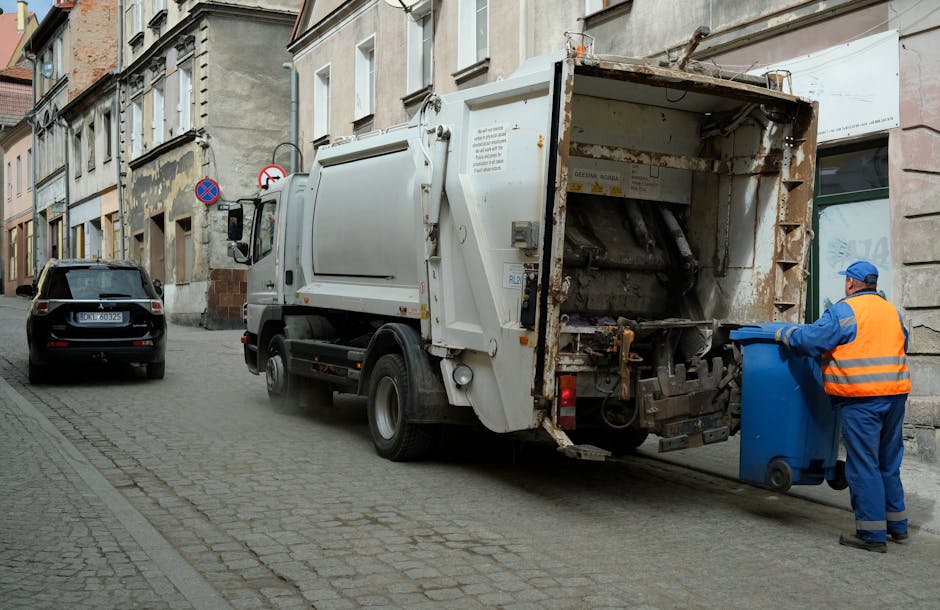
If you live, manage property, or run a business around Eastcote estate in Ruislip, rubbish removal is rarely just about "getting rid of stuff". It is about access, timing, neighbours, parking, safe handling, and knowing which service area actually fits the job. In practical terms, Eastcote estate rubbish removal service areas in Ruislip cover the streets, blocks, homes, garages, gardens, lofts, flats, and workspaces that need fast, tidy clearance without the usual hassle. And let's be honest, no one wants bags, broken furniture, or builder's debris hanging around for days.
This guide explains how local rubbish removal works, what areas are usually served, who benefits most, and how to avoid the common mistakes that make a simple clearance feel like a headache. You will also find a checklist, comparison table, compliance notes, and a few grounded tips from real-world experience. Nothing fluffy. Just useful information that helps you make a good decision.
Why Eastcote estate rubbish removal service areas in Ruislip Matters
Eastcote estate is a lived-in part of Ruislip, which means rubbish removal needs to work around real homes, real schedules, and real restrictions. That sounds obvious, but it is exactly where many clearances go wrong. A van can't always park where it wants. A front path may be narrow. A block of flats may need shared access. A garden clearance may involve awkward corners, wet soil, or thorny cuttings that don't fit in neat bags. These little things matter more than people expect.
Service areas matter because they define what can be collected efficiently and what needs extra planning. If your property is in Eastcote estate, the right service area coverage helps you avoid delays, surprise access issues, and wasted time on the day. It also helps the provider understand whether the job is likely to be a one-person lift, a two-person carry, or a bigger clearance involving multiple loads.
For many households, the need appears suddenly. A garage fills up. A loft gets cleared after a family move. A sofa needs to go before a new one arrives. For landlords and agents, turnover deadlines can be tight, and there is usually no room for "we'll come back next week". That is where local knowledge pays off. A team that knows the estate, the nearby roads, and the usual access patterns can work quicker and cleaner. To be fair, that can be the difference between a calm afternoon and a messy one.
Practical takeaway: A good rubbish removal service area is not just a postcode on a map. It is a working area where access, collection type, and timing can all be handled without drama.
How Eastcote estate rubbish removal service areas in Ruislip Works
At a basic level, rubbish removal is simple: you identify the waste, get a quote, arrange a collection time, and have the items removed. In reality, the service is shaped by the type of waste and the layout of the property. A sofa from a first-floor flat is a very different job from a few black bags left beside a driveway. Same service category, different working reality.
Most local clearances follow a pattern like this:
- You describe the items or the type of waste.
- The provider estimates the load, access requirements, and time needed.
- A collection slot is arranged that suits the property and the road conditions.
- The team arrives, confirms the load, and removes the waste.
- Items are sorted for disposal, reuse, or recycling where possible.
Some jobs are straightforward. Others need more thought. For instance, if you are clearing a flat in Eastcote estate, stair access can affect both the time and the handling method. If you are clearing a garage, the team may need to work around shelving, damp packaging, or a few things you forgot were still there. Happens all the time. If it's builder's waste, heavier material and sharper edges change the loading approach and may require the more specialised builders waste clearance service rather than a general removal.
It is also common for customers to combine more than one type of removal in a single visit. For example, a household might need a house clearance and a few items of furniture disposal at the same time. A business might pair a desk-and-chair removal with office clearance. If the space has been used for storage for years, the job may be closer to a home clearance than a simple bin run.
Good service-area planning also helps with scheduling. In busy parts of Ruislip, a short, efficient collection is often easier to fit around traffic, parking, and neighbours. That matters more than people think. A tidy, well-timed visit can make the whole thing feel almost effortless.
Key Benefits and Practical Advantages
There are several clear benefits to using a properly organised rubbish removal service in Eastcote estate and the wider Ruislip area.
- Less stress: You do not need to hire a van, lift heavy items yourself, or guess what can legally go where.
- Faster clearance: The right team can remove mixed waste in one visit instead of stretching the job over a weekend.
- Better access handling: Estate layouts, flats, side paths, and shared entrances are easier to manage when planned properly.
- Cleaner finish: Professional removal tends to leave fewer scraps, broken bits, and awkward leftovers behind.
- More sensible sorting: Reusable furniture, recyclable materials, and general waste can be separated more effectively.
- Lower disruption: A controlled collection usually causes less noise and less neighbour friction. Small thing, but important.
There is also the simple mental benefit of getting space back. A cluttered hallway feels smaller. A half-full garage becomes a daily irritation. A loft full of forgotten furniture can start to feel like a problem you carry around in your head. Once it is gone, the room changes immediately. You notice the light again.
If you want to understand pricing, scope, or what affects the cost of a job, it is worth looking at pricing and quotes. And if waste removal is part of a bigger clear-out, the broader waste removal service page is a useful place to compare what is covered.
Who This Is For and When It Makes Sense
This kind of service is useful for a surprisingly wide range of people. You do not need a dramatic house move or a full renovation to justify it.
- Homeowners clearing accumulated clutter, broken furniture, old appliances, or garden waste.
- Tenants needing a fast end-of-tenancy clear before checkout or handover.
- Landlords and letting agents dealing with leftover items after a move-out.
- Home office users replacing desks, chairs, filing, or packaging.
- Small businesses who need a tidy, discreet clearance without affecting trading hours.
- Builders and decorators who have leftover rubble, timber, packaging, and trade debris.
- Older residents or families arranging help for a loft, garage, or household clearance that is physically hard to do alone.
It makes sense when the task is too bulky, too awkward, too time-sensitive, or simply too much for a normal bin collection. It also makes sense when you want one clear job handled properly instead of lots of small trips in and out of the house. Truth be told, that is often the point where people stop putting it off.
For example, a flat in Eastcote estate with shared access may need a more careful collection than a detached home with a driveway. That does not mean the job is difficult. It just means the service needs to match the property. For flats and shared buildings, a flat clearance approach is often the neatest fit.
Step-by-Step Guidance
If you are planning a rubbish removal in Eastcote estate, the simplest way to keep control is to treat it like a small project. Not a big one. Just enough structure to avoid last-minute stress.
- Walk through the space. Look at every item you want removed. Include the "maybe" items, because those are usually the ones you forget until collection day.
- Separate by type. Group furniture, garden waste, builder's waste, and general rubbish if possible. It helps both quoting and loading.
- Check access. Measure stairs, note narrow doors, and think about where a vehicle can safely stop. Parking on an estate can be a bit of a puzzle sometimes.
- Flag anything special. Heavy items, awkward items, fragile items, or anything that needs two people should be mentioned early.
- Choose the right service. A mixed household clearance, a garage tidy-up, or a garden waste load may each suit a different approach.
- Book a sensible time. Give yourself a little breathing room before or after. Rushing makes simple jobs messy.
- Prepare the area. Clear a path, unlock access points, and keep what you want to retain separate and visible.
- Do a final check after loading. It is easier to notice a stray item before the vehicle leaves than after.
If your job is mostly outdoor material, a dedicated garden clearance page can help you think through what counts as green waste, what is mixed waste, and what needs special handling. For sheds, shelves, old tools, and leftover household bits, a garage clearance may be more accurate.
A small but useful tip: photograph the area before you start separating items. Not for some grand archive, obviously. Just so you can remember what was there if plans change halfway through the day.
Expert Tips for Better Results
A few practical habits make rubbish removal much smoother, especially in estate settings where access and time can be tight.
- Keep pathways open. A clear route saves time and reduces the chance of knocks and scrapes.
- Group similar waste together. It speeds up loading and helps the team plan the safest lifting order.
- Be honest about volume. Underestimating waste is one of the quickest ways to cause friction on the day.
- Identify reusable items early. Good furniture or household items can sometimes be routed differently from general rubbish.
- Ask about handling of mixed loads. A job that includes cardboard, timber, broken furniture, and bagged waste is common, but it should still be described clearly.
- Plan around neighbours. Estate life means noise carries. Mid-morning often works better than very early or late collections.
In our experience, the best jobs are the boring ones. The client knows what is going, the access is ready, and nobody is hunting for keys at the last second. That calmness matters. It really does.
If you are clearing a lot of old furniture, it may be helpful to compare furniture clearance with furniture disposal. The wording sounds similar, but the practical focus can be slightly different depending on whether you are emptying a room, replacing one item, or handling several bulky pieces.
Common Mistakes to Avoid
Most rubbish removal problems are avoidable. Usually it is not the clearing itself that causes trouble. It is the planning, or lack of it.
- Leaving waste description too vague. "A few bits" can mean anything from two bags to a small mountain.
- Forgetting access restrictions. Low arches, tight stairs, estate gates, and shared entrances matter more than people think.
- Mixing valuable items with rubbish. Once something is loaded, you do not want to discover you meant to keep it.
- Assuming all waste is the same. Trade debris, household clutter, and office rubbish can each need a different approach.
- Not checking the final room or garden sweep. A quick glance can prevent a lot of irritation later.
- Leaving the job until the last minute. That is how small tasks become rushed and expensive-feeling.
One of the biggest oversights is forgetting how many items are actually attached to a space. A wardrobe may still have rails. A garage shelf may be screwed into the wall. A shed may have old paint tins tucked behind a spade. The collection team can only clear what has been identified, so a thorough walk-through helps a lot.
And yes, that tiny box of mystery screws in the back corner of the cupboard is somehow always there.
Tools, Resources and Recommendations
You do not need much to prepare for a successful clearance, but a few simple tools help a great deal.
- Gloves: Handy for sorting sharp, dusty, or rough items before collection.
- Marker pens and labels: Useful if you are separating keep, donate, and remove piles.
- Tape and bags: Helpful for grouping loose rubbish safely.
- Phone photos: Good for documenting what is staying and what is going.
- Basic measuring tape: Essential for awkward furniture, stair turns, or doorway checks.
For property-wide clearances, the service pages for house clearance, home clearance, and loft clearance are helpful reference points. They make it easier to match the job to the space rather than forcing everything into a general category.
It is also worth using a provider with a clear approach to disposal and environmental handling. The recycling and sustainability page is useful for understanding how sorting and responsible disposal fit into the overall service. That is especially reassuring if you are clearing a lot of mixed items and want to avoid needless landfill where possible.
Law, Compliance, Standards, or Best Practice
Rubbish removal is not just a practical service; it also touches on safety, duty of care, and proper handling of waste. You do not need to become a legal expert, but it helps to know the basics.
In the UK, waste should be handled responsibly, and anyone collecting or moving it should work in line with relevant legal and safety expectations. For customers, the practical point is simple: use a service that takes safe handling seriously, transports waste appropriately, and does not encourage fly-tipping or shortcuts. If a clearance feels suspiciously cheap, it is fair to ask why.
Best practice usually includes:
- clear identification of the waste type before collection;
- safe lifting and moving methods;
- appropriate separation of reusable, recyclable, and general waste;
- respect for shared spaces, neighbours, and property access;
- careful handling of items that could cause injury or contamination.
Safety matters too. A proper provider should be able to explain how it handles awkward lifting, protective equipment, and site access. You can read more about these operational principles on the health and safety policy and insurance and safety pages. Those details may seem dry, but they are the difference between a smooth clearance and a risky one.
For businesses, offices, and landlords, it is also sensible to understand how your own records and access arrangements are handled. A straightforward explanation of terms is available on the terms and conditions page, while the about us page is helpful if you want a better sense of the company behind the service.
Options, Methods, or Comparison Table
There is more than one way to deal with unwanted items in Eastcote estate. The right option depends on volume, urgency, access, and what the waste actually is.
| Method | Best for | Strengths | Limitations |
|---|---|---|---|
| General rubbish removal | Mixed household waste, small clear-outs, bagged rubbish | Flexible, quick, good for everyday clutter | May not suit very heavy or specialised waste |
| House or home clearance | Whole rooms, inherited items, full-property declutters | Comprehensive, efficient for larger jobs | Needs better planning and more access detail |
| Furniture clearance/disposal | Sofas, wardrobes, beds, tables, bulky items | Ideal for bulky loads, saves heavy lifting | Space-heavy items can affect load size quickly |
| Garden clearance | Cuttings, branches, soil bags, outdoor clutter | Good for seasonal jobs and outdoor refreshes | Wet or heavy green waste can be bulkier than expected |
| Builders waste clearance | Renovation leftovers, rubble, timber, packaging | Handles trade debris more appropriately | Needs careful description and safe loading |
The table above is a practical guide, not a rigid rulebook. A real job may overlap several categories. For instance, a garage on Eastcote estate might contain garden waste, furniture, and renovation leftovers all at once. That is normal. The aim is to match the service to the load, not force the load to fit a label.
Case Study or Real-World Example
Here is a realistic example. A resident in Eastcote estate wanted a spare room cleared before a family visit. The room held an old mattress, two bedside tables, several bags of mixed clutter, a broken office chair, and a stack of cardboard from a recent delivery spree that had quietly got out of hand. Nothing dramatic. Just one of those rooms that slowly becomes "the place we'll deal with later".
The key to making it simple was preparation. The resident separated personal keepsakes first, moved the items to the hall, and checked the stair route. One small snag appeared: the chair had a damaged wheel that caught on the carpet edge. Easy enough to solve, but exactly the sort of detail that slows a job down if nobody spots it early.
The collection itself was straightforward because the load was described clearly. The room ended up empty, the hallway stayed clear, and the resident had the space ready for a guest bed the next day. That kind of result is common when the access and waste type are explained properly. No drama, no second visit, no awkward "we missed a bit" moment at the door.
The lesson? Most clearances work best when the job is divided into small, visible steps. Keep, remove, donate, recycle. Simple words, but they help.
Practical Checklist
Use this checklist before booking Eastcote estate rubbish removal service areas in Ruislip work.
- List every item you want removed.
- Separate rubbish, furniture, garden waste, and builder's debris where possible.
- Check access points, stairs, and parking space.
- Measure bulky items if they need to pass through tight doors.
- Set aside anything you want to keep.
- Clear a path from the waste to the exit.
- Tell the provider about heavy, fragile, or awkward items.
- Confirm whether you need a house clearance, flat clearance, or garage clearance style service.
- Review pricing and make sure the quote reflects the real job.
- Do a final sweep before the team leaves.
That last step is tiny, but it saves a lot of back-and-forth. A quick room check is worth its weight in tea, honestly.
Get a free quote today and see how much you can save.
Conclusion
Eastcote estate rubbish removal service areas in Ruislip are about more than collecting waste. They are about fitting a practical service around local homes, flats, gardens, garages, and workspaces without creating extra hassle. When the service area is understood properly, everything gets easier: access is smoother, timing is better, waste is handled more safely, and the whole job feels far less stressful.
If you are planning a clearance, the best next step is usually the simplest one: identify the waste, think about access, and choose the service that actually matches the job. A little preparation goes a long way. And once the clutter is gone, the relief is immediate. You notice the space, the light, the calm. That is the real win.
Frequently Asked Questions
What areas are covered by Eastcote estate rubbish removal service areas in Ruislip?
Service coverage usually includes the homes, flats, shared entrances, garages, gardens, and nearby access points associated with Eastcote estate in Ruislip. The exact scope depends on the provider and the type of waste, so it is best to describe the property and access clearly before booking.
Can I book rubbish removal for a flat on Eastcote estate?
Yes. Flat access is common, but you should mention stairs, lifts, shared corridors, and parking restrictions. A flat clearance style service is often the most suitable option if the items are bulky or if the property has limited access.
Is furniture included in rubbish removal?
Usually, yes, but large furniture is often better described separately so the team can plan lifting and loading. Sofas, wardrobes, beds, and tables may need a furniture-specific approach, especially in properties with stairs or narrow hallways.
How do I know whether I need house clearance or general rubbish removal?
If you are clearing several rooms, a full property, or a larger volume of mixed belongings, house clearance may be the better fit. If you just have bagged waste, a few bulky items, or a smaller mixed load, general rubbish removal is often enough.
Can garden waste be collected from Eastcote estate properties?
Yes. Cuttings, branches, leaves, soil bags, and outdoor clutter are commonly handled through a garden clearance service. It helps to separate green waste from general rubbish if you can, but it is not always essential.
Do I need to move everything outside before collection?
Not always. Many collections can be taken from inside the property, the garage, loft, or garden, depending on access. Still, making the route clear saves time and lowers the risk of damage. If you can safely stage items near the exit, that often helps.
What happens to the waste after it is removed?
Good practice is to sort waste for reuse, recycling, and responsible disposal where possible. The exact handling depends on the materials collected. If you want more detail on this part of the process, the recycling and sustainability information is useful.
How should I prepare for a clearance in a shared estate building?
Check access times, notify residents if needed, keep corridors clear, and make sure the vehicle can stop safely. Shared buildings benefit from a little planning because noise, parking, and movement through communal areas can affect the whole experience.
Can I combine different types of waste in one collection?
Often, yes. Mixed loads are common, especially in home clearances. Just be honest about what you have so the provider can plan the job correctly. A mix of furniture, bagged waste, and cardboard is normal; a mix of builder's rubble and general household waste may need more specific handling.
Is it better to book a larger service than I think I need?
Sometimes. If you are unsure, it is sensible to allow a bit of room for extra items, but do not overshoot wildly. A clear description and a few photos usually give a much more accurate picture than guesswork.
How can I avoid problems on collection day?
Label what is going, clear the access route, confirm parking or entry arrangements, and keep items you want to retain somewhere separate. Most problems come from uncertainty, not the collection itself. A calm, organised setup makes the whole thing much easier.
Where can I find more information before booking?
You can compare service types such as waste removal, house clearance, and office clearance, then review pricing and the company's operational pages to make sure the service matches your needs.