Garden Clearance in Ruislip
Garden clearance in Ruislip should leave outdoor spaces ready for practical use, whether that means dealing with tangled growth, dismantling unwanted items, or removing mixed green waste from a garden that has become difficult to manage. Our service focuses on clearing and loading the material, separating what can be reused or recycled where possible, and leaving the space easier to work on afterwards. If you need a straightforward way to reclaim beds, paths, borders or storage corners, this is the main service we provide.
We handle a broad range of garden contents and cuttings, from branches, hedge trimmings and soil to broken pots, old timber, shed contents and weathered outdoor items. The aim is to make removal orderly rather than disruptive, especially where access is tight or the clearance has to be carried out around existing planting, lawn edges or paved areas. Clearance work is often most useful when a garden has several different types of material to deal with at once.
For an accurate quotation, it helps to describe the type and approximate volume of waste, plus any access points such as side passages, rear gates or shared paths. If the job involves heavier materials or mixed loads, a photo-based estimate can also make planning simpler. Tell us what needs to go, and we can quote for the collection and disposal in a way that matches the actual work involved.
Garden Waste and Green Material Removal
Garden clearance often starts with the green waste itself: prunings, clippings, plant cuttings, leaves, roots, compost, small branches and spoil from planting or digging work. We can remove single piles after a tidy-up or several separate heaps created by different stages of outdoor maintenance. Where material has been left for a while, we can still clear it in one visit rather than treating each type as a separate job. The result is a more usable garden area and less loose waste left behind.
In many gardens, the most time-consuming part is sorting mixed organic material from non-organic items. That matters because branches, turf and soil are handled differently from plastic planters, old fencing sections or household debris that has been left outside. Good clearance keeps those streams organised so that the load is dealt with sensibly. If your garden includes both natural and non-natural waste, we will normally discuss the make-up of the job before confirming how it should be priced and scheduled.
We can also clear seasonal waste that builds up after pruning, landscaping or weather damage. Typical work includes removing hedge cuttings after trimming, lifting fallen branches, collecting piles of leaves and taking away unwanted plant matter after bed reduction. For larger or denser material, a sensible approach is to break the work into manageable sections, then remove everything once it has been loaded safely. Orderly removal helps keep the garden accessible while the job is being carried out.
Mixed Garden Contents, Sheds and Stored Items

Many customers need more than a simple green waste collection. Garden areas often contain stored items that have accumulated over time: broken furniture, worn plant containers, bags of old compost, damaged tools, children’s outdoor items, rusting metal, timber offcuts and other items that no longer serve a purpose. Our clearance service can include those contents alongside the garden waste, which avoids arranging separate removals for each small category of material.
If a shed, lean-to or external store is part of the job, we can clear the contents first and then remove the structure-related waste that comes out during the process. This is particularly useful when access is limited or the contents have been left for years and are no longer easily sorted by the owner. The important point is that the clearance is handled as a practical task: take away what is no longer needed, leave what remains in place, and keep the work area as controlled as possible.
Some gardens also contain awkward mixtures of natural and manufactured waste. For example, a border may include roots, weeds, broken edging, old paving remnants and disused pots all in the same area. In those cases we separate the load as it is collected, which makes disposal cleaner and easier to manage. If you are comparing options, mixed-content clearance is often more efficient than trying to book several smaller removals for one garden.
Clearance Around Lawns, Beds and Access Routes
Practical garden clearance is not only about removal; it is also about working carefully around the features that should remain. In many Ruislip gardens, that means preserving lawns, shrub beds, paving, fencing and planting while taking away the unwanted material around them. We use the access that is available and work with the layout of the property, rather than assuming every garden can be approached in the same way. That keeps the process sensible and reduces unnecessary disturbance.
Where waste is scattered rather than piled neatly, we can still gather and remove it in a methodical way. This may include cutting back overgrowth enough to reach hidden debris, carrying material through side paths, or lifting lighter waste in stages to keep walkways clear. The key is to match the clearance method to the site conditions. A compact garden, for example, may need a different approach from a wider plot with several separate storage points and planting areas.
To help the quotation process, it is useful to note any access restrictions, gates, narrow passages or steps that affect how items can be carried out. A simple list of the main materials and a clear description of the location of the waste can save time later. If you already know that the job includes items stored in different parts of the garden, mention that from the outset so the estimate reflects the full scope.
What Affects the Cost of a Garden Clearance

The quotation for a garden clearance is usually shaped by the amount of waste, the type of material, access conditions and the amount of handling involved. A light load of cuttings and leaves is very different from a mixed clearance involving branches, soil, timber, planters and damaged outdoor items. Jobs with multiple waste types often take longer to sort and load, so it is helpful to describe the whole site rather than only the most obvious pile.
Volume is often the main factor, but it is not the only one. Dense waste, heavy soil, wet green material and awkwardly shaped items can all affect the work required. Gardens with long carries, narrow side access or shared entry points may also need more careful planning. We try to keep the pricing conversation direct and practical, so you know what the clearance covers before any work begins. That is especially important when the garden contains both visible waste and material tucked away behind larger items.
When requesting a quotation, a short description is usually enough to begin with. Include what needs removing, how much there is, and whether the waste is spread out or stacked. If the job is more detailed, you can mention the different areas of the garden separately. Useful estimates start with clear information, and that applies just as much to a simple pile of hedge cuttings as it does to a full mixed garden clearance.
Recycling, Sorting and Responsible Disposal
Garden clearance does not end when the waste is loaded. What happens afterwards matters, especially when a job contains several different materials that need to be handled in different ways. We aim to sort loads where possible so that green waste, timber, metals, plastics and other recyclable materials can be treated appropriately. That approach supports cleaner disposal and makes the clearance more orderly from start to finish.
There are also practical limits to what can be mixed together. Soil, turf and green waste can often be dealt with differently from damaged household items or construction-related material found in a garden. By keeping the load organised during collection, we reduce the chance of avoidable complications later. This is another reason why it helps to mention all the waste types in the garden at the enquiry stage, not just the largest pile or the most visible section.
If you are planning a larger outdoor tidy-up, it can be sensible to clear the garden in stages, especially where the waste includes a combination of soft garden cuttings and heavier items. That allows the removal process to stay manageable and can make it easier to separate recyclable material from the rest. For customers, the practical benefit is simple: the garden is cleared with care, and the waste is handled in a structured way rather than treated as one undifferentiated load.
Planning a Clearance Visit
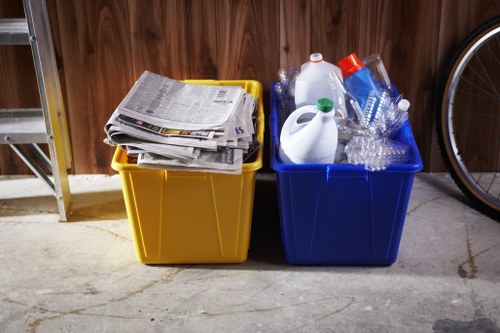
Before a garden clearance, a little preparation can make the visit smoother. If possible, identify the areas that need to be cleared and keep any items you want to retain separate from the waste. It also helps to make access visible, for example by unlocking a gate or pointing out the best route through the property. These steps do not need to be complicated, and they are only intended to make the clearance itself more efficient.
When the garden contains several waste piles, a short written summary can be useful. For example, you might describe one section as green cuttings, another as broken pots and plastic, and another as old timber or stored items. This kind of basic breakdown helps us understand whether the job is mainly garden waste removal or a broader mixed clearance. It also means we can prepare a quotation that fits the actual amount and type of work more closely.
Two simple things usually help most: clear access and an honest description of the load. If anything is unusually heavy, awkward to move or tucked into a hard-to-reach corner, mention it early. That way the arrangements can be made sensibly, without last-minute surprises. If you are ready to compare options, this is a good moment to request a quotation and outline the materials involved.
About Ruislip
Ruislip is a historic area in the London Borough of Hillingdon, in the west of Greater London, and it retains a strong sense of place through a mix of older village origins and later suburban growth. The name is commonly associated with the church of St Martin’s, whose medieval roots reflect the long-established settlement pattern in the area. Ruislip Lido is one of the best-known local landmarks: a former reservoir turned public leisure space with woodland surroundings, a sandy beach area and a miniature railway that has become part of the district’s identity. The wider locality includes pockets of conservation interest, particularly around Ruislip Village, where traditional buildings, narrow streets and surviving historic features sit alongside everyday commercial and residential use. The area is also connected to the London Underground through Ruislip station and nearby stops, which link it into the Metropolitan and Piccadilly lines. Green spaces remain an important part of local character, with Ruislip Woods offering a large area of ancient woodland managed for public access and wildlife value. In addition, the area’s network of parks, footpaths and local shopping parades gives it a balance of suburban convenience and open, recognisable landscape. Together these features make Ruislip a place where historic fabric, transport links and outdoor amenity sit closely side by side.
House and Whole-Garden Clearances
Some projects begin in the garden but extend to the rest of the property. When outdoor waste is only one part of a broader clearance, we can discuss whether the work should be treated as a garden-only job or as part of a larger house clearance. That distinction matters because the type of material, the handling required and the access arrangements may differ. A clear description at the start keeps the scope focused and avoids unnecessary duplication of effort.
We can also support customers who are dealing with a garden after a general clear-out, renovation or move. In those situations, unwanted items may have been placed outdoors temporarily and then left there. Rather than dealing with each item individually, it can be more practical to gather the contents of the garden, identify what needs to go and remove it in one organised visit. This works particularly well where the outside space has become a temporary holding area.
For larger properties, it may help to separate the outdoor work from the internal rooms, loft or garage so the quotation stays clear. A simple breakdown of what is in the garden, what is indoors and what is stored elsewhere will help us plan the removal properly. If the garden itself includes a lot of mixed material, that is still the best place to start. A clear scope leads to a clearer estimate, which is useful for both sides.
How We Approach Different Types of Garden Waste

Different garden materials need slightly different handling, and that is why a one-size-fits-all approach is rarely the best option. Soft green waste such as leaves and clippings can usually be gathered quickly, while heavier items like soil, broken timber and outdoor furniture need more lifting and loading care. Some loads also contain loose rubble, old edging or damaged fixtures that have to be removed alongside the plant waste. Each of these items affects the work in a different way.
We keep the clearance practical by matching the method to the material. Green waste can be bagged, bundled or loaded loose depending on the job, while larger items may need to be separated first so that the rest of the garden can still be reached. If there are fragile areas, such as newly planted sections or decorative paving, the job is planned so the removal does not create avoidable mess or disruption. That approach is especially important in gardens that have already had partial work carried out.
If your garden clearance includes several waste categories, it is helpful to mention them together rather than in stages. That makes it easier to assess the job as a whole and gives you a better idea of the likely quotation. For straightforward planning, you can start with the material types, then note the access and any special handling points. Tell us what is in the garden, and we can work out the most suitable way to clear it.
Getting a Quote for Garden Clearance
When you are ready to book a garden clearance in Ruislip, the most useful enquiry is the one that explains the space honestly and clearly. A short description of the waste, approximate quantity, and any awkward access points is usually enough for us to begin. If the garden contains several different piles, it helps to mention where they are and what each pile contains, so the quotation can reflect the full job rather than only the easiest part.
You do not need to write a long brief to start the process, but a little structure makes a difference. A note about whether the clearance is mainly green waste, mainly mixed rubbish, or a combination of both is especially useful. If you have photographs available, they can make things even clearer, although they are not essential for every enquiry. The aim is simply to understand the work well enough to provide a sensible price for the removal and disposal.
For a straightforward next step, you can contact us about your garden clearance and ask for a quotation. If you would like to compare the practical factors first, see our pricing and quotes page for more detail on how estimates are prepared. Either way, the key information is the same: what needs removing, where it is, and how much there is to take away.
Support for Ongoing Outdoor Tidy-Ups
Some customers need a single clearance, while others prefer to deal with garden waste in a more regular way after pruning, mowing, planting or seasonal work. In those cases, it can be useful to think about the garden as a space that benefits from periodic clearing rather than one large intervention. Smaller repeated jobs often keep access easier and reduce the amount of material that builds up in one place, especially after active growing periods or stormy weather.
We can also help when the outdoor space is being prepared for other work. If a gardener, landscaper or builder needs the area cleared before they begin, removing the accumulated waste first can make their job simpler. That may include taking away old growth, broken items or leftover materials that are no longer wanted. The important point is to clear the site in a way that supports whatever comes next, not just to remove the obvious rubbish.
If you want a practical plan for your outdoor space, start with a basic description of the current condition and the type of materials present. From there, we can discuss the most suitable garden clearance approach for the site. When you are ready, ask for a quote and we will take it from there.