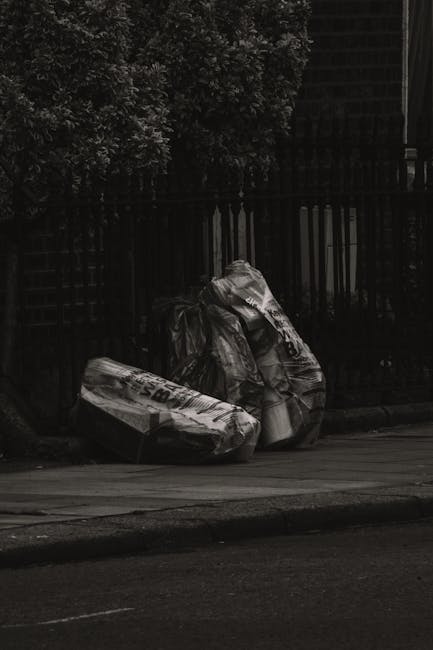
Ruislip Manor rubbish clearance near the station: a practical local guide
If you need Ruislip Manor rubbish clearance near the station, you are probably trying to solve a very ordinary but very annoying problem: bags, broken furniture, renovation waste, or general clutter that has built up faster than expected. Maybe you are moving out of a flat, clearing a shop unit, or just fed up with a hallway that has become a storage area for things you no longer want. Either way, getting rubbish removed quickly and sensibly near a busy station area takes a bit more thought than simply "getting rid of it". Access, timing, parking, and neighbour impact all matter. This guide explains how local rubbish clearance works, what to expect, what to avoid, and how to choose the right type of service without wasting time or money.
Table of Contents
- Why Ruislip Manor rubbish clearance near the station matters
- How Ruislip Manor rubbish clearance near the station works
- Key benefits and practical advantages
- Who this is for and when it makes sense
- Step-by-step guidance
- Expert tips for better results
- Common mistakes to avoid
- Tools, resources and recommendations
- Law, compliance and best practice
- Options and comparison table
- Case study or real-world example
- Practical checklist
- Conclusion
- Frequently asked questions
Why Ruislip Manor rubbish clearance near the station matters
Station-adjacent areas tend to be busy, tighter on parking, and less forgiving if waste is left out at the wrong time. That is true in Ruislip Manor as much as anywhere else in outer London. A pile of rubbish outside a property near the station can quickly become an eyesore, attract complaints, or simply get in the way of everyday life. In practical terms, the difference between a smooth clearance and a stressful one is usually planning.
There is also the simple fact that rubbish near transport links often needs to be moved in a way that does not interrupt neighbours, commuters, or building access. If you are clearing a first-floor flat above a parade, for example, you may only have a narrow window to load items without blocking foot traffic. If you are dealing with builders waste after a refurb, you may need a slightly more structured approach. Not dramatic, just careful.
For many households and small businesses, local rubbish clearance is not about a giant clean-up. It is about removing the awkward stuff: a sofa that will not fit in the car, old underlay, mixed junk from a loft, or a few bulky pieces that have been sitting there for months. If you want to understand the broader service options available, it can help to look at related pages such as waste removal, home clearance, or flat clearance depending on the job.
Expert summary: The closer you are to the station, the more important timing, access, and tidy loading become. A good clearance is not just about removing waste; it is about removing it without creating another problem.
How Ruislip Manor rubbish clearance near the station works
Most rubbish clearance jobs follow a fairly simple pattern. You describe what needs removing, the provider estimates the load size or visits to assess it, then the waste is collected and taken away for sorting, reuse, recycling, or disposal. The details matter, though, and they matter more when access is awkward.
Near the station, the process often starts with a quick check on the practical bits: where the waste is located, whether parking is available, whether stairs or shared entrances are involved, and whether anything heavy needs two people. That matters for speed, but also for safety. In our experience, the jobs that run best are the ones where the customer gives a plain, honest description upfront. "Two armchairs, a mattress, six bin bags, and some wood offcuts" is much more useful than "a bit of rubbish".
A typical local clearance may include:
- bagged household waste
- bulky furniture
- small appliances
- cardboard and packaging
- garden waste
- garage or loft clutter
- light builders waste, if suitable for the service
For specialist loads, it is worth matching the job to the right service rather than hoping a general collection will suit everything. A post-refurbish load may fit builders waste clearance, while a business move may need business waste removal. That distinction saves everyone time. Simple, but often overlooked.
What usually happens on the day
- The team arrives within the agreed window.
- They check the waste and confirm the load.
- Items are removed from the property or loading point.
- The space is swept or left tidy where practical.
- The waste is transported for sorting and onward processing.
Some jobs are same-day, some are pre-booked. If you are near the station, the easiest slots are often the ones that avoid peak commuter movement. Early morning can be surprisingly efficient. So can a mid-afternoon slot once the area has quietened down a bit.
Key benefits and practical advantages
The biggest benefit is obvious: you get your space back. But there are a few less obvious advantages that make professional clearance worth considering, especially in a busy local setting.
- Less disruption: Waste is removed in one visit rather than being dragged out over several trips.
- Better access management: A local team can plan around tighter streets, entrances, and station traffic.
- Safer lifting: Heavy or awkward items are handled properly instead of being carried badly by one tired person.
- Cleaner finish: A proper clearance should leave the area usable again, not just "less cluttered".
- More suitable sorting: Reuse and recycling can be built into the process where practical.
There is also a mental benefit that people underestimate. A cleared room feels different. Quieter, even. You walk in and immediately see the floor, the light, the space. Sounds a bit sentimental, perhaps, but it is true.
If the waste includes reusable furniture or appliances, you may also want to compare options such as furniture clearance and furniture disposal. One is more about removing items as part of a broader job; the other is more focused on the item itself. The right choice depends on the mix of items and what condition they are in.
Who this is for and when it makes sense
This kind of rubbish clearance suits a wide mix of people. It is not just for people doing a big house clear-out. In fact, many of the most common jobs are smaller than that.
You may need it if you are:
- moving out of a flat near the station
- clearing a rental property between tenants
- emptying a loft, garage, or spare room
- dealing with leftover DIY waste
- running a small office or shop with surplus items
- tidying a garden or outdoor storage area
- preparing a property for sale or letting
It also makes sense when you do not have the time, the vehicle, or the physical ability to move everything yourself. Let's face it, a station-area collection can look easy until you realise there is nowhere to park, a flight of stairs to deal with, and a mattress that seems to have grown overnight. That is usually when people stop trying to do it all alone.
For larger domestic jobs, it can be worth exploring house clearance or garage clearance. If you are working in the roof space, loft clearance is the more accurate fit. Matching the service to the actual job keeps things simpler and usually keeps costs more sensible too.
Step-by-step guidance
If you want the whole thing to run smoothly, the best approach is to be organised before the team arrives. You do not need a spreadsheet. Just a bit of order.
1. Sort the items into rough groups
Separate bulky furniture, bagged waste, cardboard, and any items that might need special handling. If something is reusable, damaged, or potentially hazardous, flag it early. That makes the quote more accurate and avoids awkward surprises later.
2. Check access to the property
Think about stairs, narrow hallways, lift access, parking space, and whether the waste is upstairs or outside. Near the station, this is especially important because loading access can be more limited than people expect.
3. Be honest about volume
If you say "one van load" but it is really closer to two, the day can become messy fast. A clear description or photos usually gives a much better result. No need to over-explain, just be accurate.
4. Ask what happens to the waste
Good providers should be able to explain whether items will be reused, recycled, or disposed of appropriately. You do not need a lecture. Just a straightforward answer and a bit of transparency.
5. Book a time that fits the area
For station-side properties, think about commuter flow, school run traffic, and local parking pressure. A quieter window can make a surprisingly big difference to how fast the job finishes.
6. Prepare the items in advance
If possible, bring loose rubbish together, bag small waste, and make pathways clear. Even ten minutes of prep can save a lot of fuss. It really does.
Expert tips for better results
Here are a few things that help the job go well, based on the sort of real-world situations people run into around busy residential and mixed-use streets.
- Photograph the load before booking: A few clear photos are often enough to prevent guesswork.
- Keep mixed waste separate if you can: Loose sorting can help with recycling and speed.
- Clear the route first: Shoes, bikes, plant pots, and small storage boxes are the classic trip hazards.
- Protect common areas: If you share a stairwell or entrance, a bit of planning keeps neighbours happier.
- Ask about heavier items early: Fridges, wardrobes, and solid wood units can change the labour needed.
One practical tip that gets forgotten: if you have both rubbish and items you may want to keep, label them before the team arrives. It sounds painfully obvious, but in the rush of a clearance day, obvious things can disappear into the background. Also, coffee cups and moving boxes breed in corners. Nobody knows why.
If your job includes outdoor waste or post-garden tidy-up debris, you may find garden clearance more useful than a generic rubbish collection. If you are clearing a workspace, office clearance may be the better route, especially if desks, filing cabinets, or old electronics are involved.
Common mistakes to avoid
Most problems are avoidable. They usually come from underestimating access, failing to describe the waste properly, or mixing items together without checking what can be taken. Easy to do, honestly.
- Leaving everything until the last minute: This often leads to rushed loading and missed items.
- Guessing the waste volume: Underestimating load size causes delays or awkward top-ups.
- Forgetting access restrictions: Station-area parking and loading restrictions are not something to discover on the day.
- Mixing different waste types without checking: Some items need specific handling.
- Assuming every clearance is the same: A few bin bags are not the same as a full flat or builders load.
Another one: people sometimes assume the cheapest option is automatically the best. It rarely is. The real measure is whether the provider shows up when expected, handles the waste responsibly, and leaves you with a proper result. A cheap mess is still a mess.
Tools, resources and recommendations
You do not need much to prepare properly, but a few basic tools help.
- Heavy-duty bags: Useful for smaller waste and broken-down items.
- Marker tape or labels: Handy for separating keep, donate, and remove piles.
- Gloves: Good for handling sharp edges, splinters, or dusty items.
- Tape measure: Useful if you are checking whether large items will fit through doors or down stairs.
- Phone camera: A quick photo record is excellent for quoting and planning.
From a service point of view, three pages are especially useful when planning a job like this: pricing and quotes if you want to understand how estimates are put together, recycling and sustainability if you care about where the waste goes, and insurance and safety if you want reassurance around handling and liability. That is the kind of detail many people skip, then wish they had checked later.
If the job is tied to repairs or renovation, builders waste clearance is often the better fit. For a business premises, business waste removal is more appropriate and generally more organised for ongoing needs.
Law, compliance and best practice
Waste clearance in the UK is not something to treat casually. You do not need to become a legal expert, but you should know the basics. Waste should be handled by people who are properly set up to carry, sort, and dispose of it. If you are hiring someone, it is sensible to ask how they manage waste transfer, recycling, and disposal. That is standard, not fussy.
Best practice also means being careful with hazardous or restricted items. Things like chemicals, paint, certain electrical items, and sharp waste may need special handling or may not be accepted in a general load. If you are unsure, ask before collection. Better a five-minute conversation now than a problem later.
Safety matters too. Heavy lifting, tight stairs, damp basements, and shared entrances can all create avoidable risks. A professional clearance should be planned with the property in mind, not just the waste pile. If a provider seems casual about that, to be fair, that is a warning sign.
Good practice also includes fair treatment of the property and the people in it. Clear communication, polite arrival, and tidy work matter. They are not extras. They are part of doing the job properly.
Options and comparison table
Not every clearance job needs the same approach. Here is a simple comparison to help you decide what suits your situation best.
| Option | Best for | Strengths | Limitations |
|---|---|---|---|
| DIY skip-style clear-up | People with time, transport, and easy access | Can work for planned, larger DIY projects | Requires lifting, sorting, and multiple trips if you do not have a lot of space |
| Booked rubbish clearance | Most homes, flats, and small businesses near the station | Fast, flexible, less physical effort | Depends on access, item type, and load size |
| Specialist service by property type | Flats, offices, lofts, gardens, or builder waste | More tailored, better for tricky jobs | Needs more accurate description upfront |
For many people, the middle option is the sweet spot. It is quick enough to avoid dragging the job out, but flexible enough to handle awkward bits. If the waste is mostly domestic and spread through a property, house clearance or home clearance can be more useful than a generic booking.
Case study or real-world example
Imagine a small first-floor flat a few minutes from the station. The tenant has moved out, and the place still contains a damaged wardrobe, two chairs, a broken drying rack, several bin bags, and flat-pack packaging from a recent move. Nothing dramatic. Just enough to be awkward.
The main challenge is not volume. It is access. There is a narrow stairwell, no lift, and limited roadside stopping space. The sensible approach is to photograph the items, separate the keep and remove piles, and arrange a collection at a quieter time of day. The team arrives, checks the load, and moves everything in one go rather than making the customer shuttle things around in bits and pieces.
At the end, the flat is empty, the hall is usable again, and the customer can hand it back cleanly. That is the real goal. Not perfection, just a proper reset. You feel the difference straight away when the room is empty and the noise drops a little.
Practical checklist
Use this before your collection:
- List the items to be removed
- Separate anything you want to keep
- Check stairs, lift access, and parking
- Take a few clear photos
- Ask how mixed waste will be handled
- Move small objects out of the route
- Confirm the best time for arrival
- Make sure fragile items are protected or removed
- Check whether the job is household, office, garden, or builder waste
- Have any questions ready before the team arrives
If you want a simple next step, visit contact us to discuss the job details, then use pricing and quotes to get a clearer idea of the likely cost before booking. That two-step approach saves back-and-forth and usually feels much less rushed.
Conclusion
Ruislip Manor rubbish clearance near the station is all about making a messy, inconvenient job feel manageable. The best results come from clear planning, honest descriptions, sensible timing, and choosing the right kind of clearance for the waste you actually have. Near a station, that practical mindset matters even more because access and timing can change the whole experience.
Whether you are clearing a flat, a house, a loft, a garage, or a business space, the aim is the same: remove the waste safely, sort it properly, and leave the property ready for whatever comes next. That is what a good local service should do, quietly and without fuss.
Get a free quote today and see how much you can save.
And once the clutter is gone, the place often feels lighter than you expected. A bit calmer. A bit more yours again. Funny how that works.
Frequently asked questions
How do I arrange rubbish clearance near Ruislip Manor station?
Start by listing the items, checking access, and sharing a few photos if possible. That helps the provider estimate the load and plan around parking, stairs, or tight entrances near the station.
What types of rubbish can usually be collected?
Common collections include bagged household waste, furniture, cardboard, appliances, garden waste, and light builders debris. If the waste includes restricted or hazardous items, ask in advance rather than assuming it can all go together.
Is rubbish clearance better than hiring a skip?
For many station-area properties, yes. A booked clearance is often easier because you do not need the space for a skip, and you avoid the lifting and sorting that come with doing it yourself. A skip can still suit some bigger projects, though.
Can rubbish clearance work for flats and upper-floor properties?
Absolutely. Flats are one of the most common reasons people book clearance. The key is access information: stairs, lifts, shared hallways, and parking all affect the job plan.
Do I need to sort the waste before collection?
Not perfectly, but some basic sorting helps. Keep items you want, separate bagged waste if you can, and point out anything delicate, heavy, or unusual. A little effort upfront saves time later.
How long does a typical clearance take?
It depends on volume, access, and item type. A small load can be quick, while a full flat or awkward staircase job will naturally take longer. Station-area access can also influence timing.
What should I ask before booking?
Ask what items are accepted, how access is handled, whether the provider is insured, and how waste is sorted or disposed of. If you want extra reassurance, you can also review the provider's health and safety policy and recycling and sustainability information.
Is rubbish clearance suitable for builders waste?
Yes, if the load is the right type and the provider offers that service. Builders waste can include plasterboard, timber, rubble, packaging, and similar materials. It is usually better to use a dedicated builders waste clearance option where available.
Can businesses near the station book regular waste removal?
They can, and many do. Shops, offices, and small commercial units often benefit from a more regular arrangement through business waste removal rather than one-off collections.
How can I make the collection cheaper or more efficient?
Be accurate about what needs removing, clear a path in advance, and separate keep items from remove items. That reduces confusion and helps the team work quickly. You do not need to overdo it; just be organised.
What happens to the rubbish after it is taken away?
That depends on the type of waste and the service used, but good practice is to sort items for reuse, recycling, and disposal where appropriate. If sustainability matters to you, check the provider's approach before booking.
Who should I contact if I want to discuss a difficult clearance?
If the job involves awkward access, large items, mixed waste, or a property near the station with limited loading space, it is best to speak directly with the team before booking. A quick conversation can prevent a lot of hassle. Honestly, it usually does.